The Israel-Gaza War is capturing everyone’s attention across the world. Hamas killed over 1,400 people at the start of the war on October 7 while also taking around 239 hostages, continuing fighting in Gaza today. Hamas fighters broke through the perimeter fence separating Gaza from Southern Israel, leading to one of the most severe threats toward Israel’s borders in a long time. Because of this, Israel is returning strikes towards Gaza, sending troops and heavy artillery into the area.
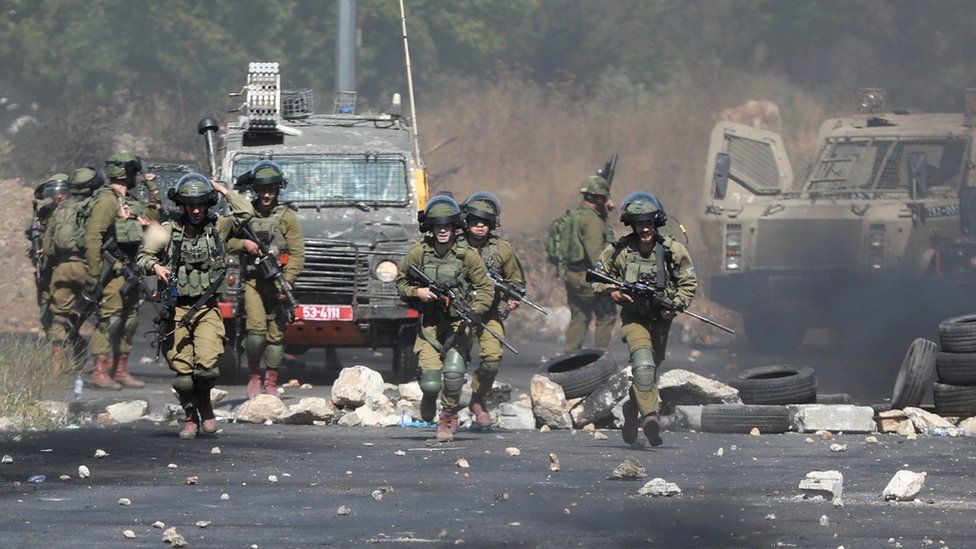
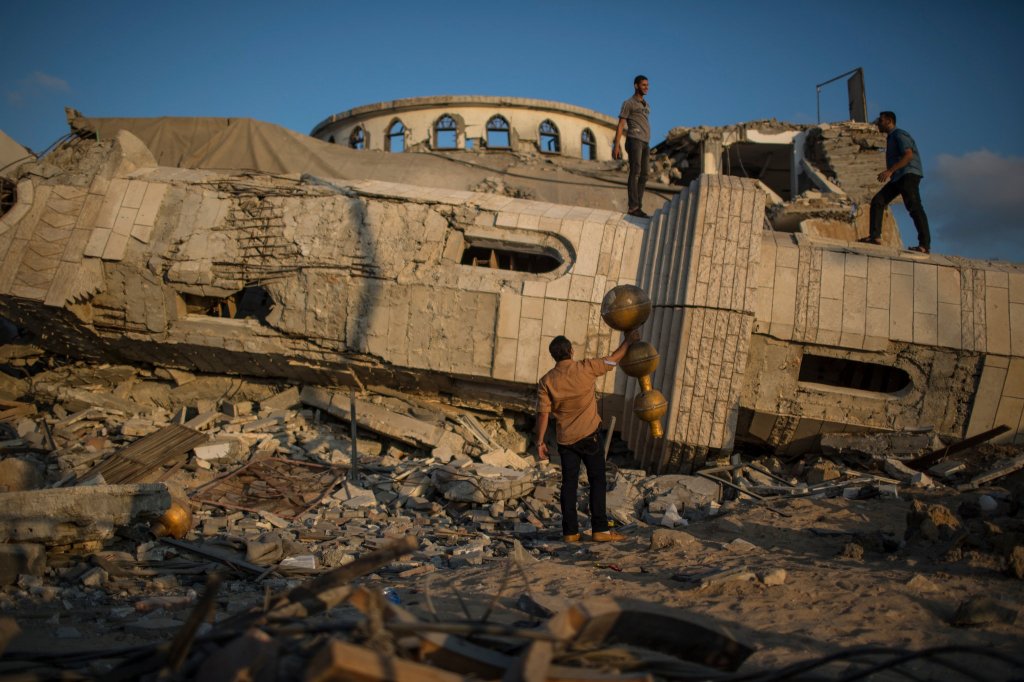
Simultaneously, at the time of writing this article, the war has led to a massive humanitarian crisis in Gaza, with hospitals barely functioning and a lack of access to clean water. Additionally, earlier in the crisis, around 1.4 million people have fled to the southwest of the Gaza Strip, with cities in that area receiving an increased population. Khan Younis’s population, for example, jumped from 400,000 to 1.2 million, with many people welcoming others into their homes or residing in tents. Aid sent to Gaza is also cut off by Israel at this time, with demands for Israel to lift the blockade for the sake of Gaza residents. The war is creating mixed responses among supporters of Israel and Palestine, with university protests, arguments on social media, and varying levels of actions carried by world leaders in response to the war.
It’s not as if this is new to the conflict between Israel and Palestine. On the one hand, the Jews are a minority that has suffered intense persecution throughout its history, ultimately culminating in the Holocaust. These pogroms and systemic killings caused the Jews to pursue a nation-state of their own through the Zionist movement. However, in this pursuit, the Palestinians have also suffered similar atrocities, ironically, at the hands of the Jews, who suffered a similar fate and continue to face that risk again today from Islamic countries such as Iran. The Palestinians under the Israeli state are given limited space for autonomy in a land they formerly lived in, with the local nomadic Bedouin culture forced to settle and the space for Palestinians riddled with poverty.
With these two people groups fighting for survival and corruption from varying factions within them, it is difficult to find an ultimate solution to the conflict or even to know who is ultimately right or wrong in the situation between Israel and the Palestinians. The conflict has become a Rubix cube handed to us without the instructions to solve it, with people on both sides approaching it from different perspectives just to get a sense of it. Nearly everyone who keeps track of events in the region has some connection to one of the groups involved, advocating for their rights and demanding justice for those they support.
So what do the Kurds think about the situation, and what ties do they have to a land further south of their own?
Historical Connection
Despite their geographical location, the Kurds have intermingled with both Jewish and Palestinian cultures throughout their history. This connection was due to varying historical events meshing these cultures in Kurdistan and Israeli/Palestinian territory.
The Jewish-Kurdish connection’s beginning dates back to the year 722 B.C., where, according to biblical records, Shalmaneser III, the king of Assyria, defeated the Israeli Kingdom, leading to the Jews resettling in the areas of Media, Assyria, and Mesopotamia, territories adjacent to, or intersecting with Kurdistan. There was also a resettlement of Jews to Babylon after the Assyrian Empire fell to the Babylonians and the Medes. Later, Jews would spread their religion to the Kurds in the region.
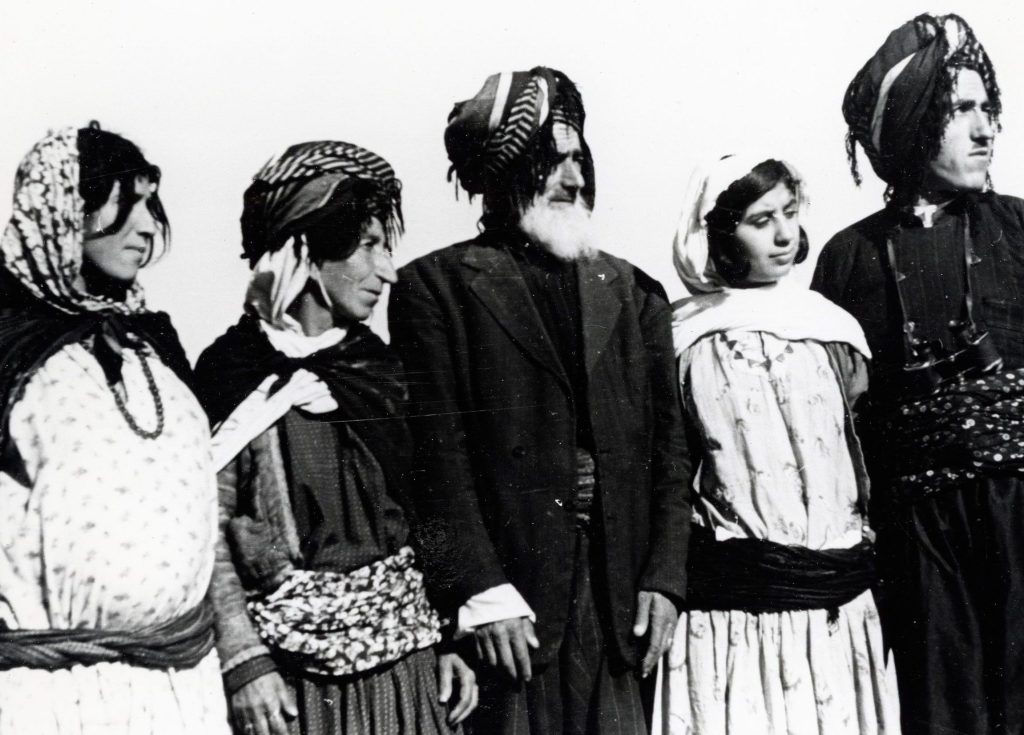
From that time onwards, the Kurdish Jews in the region would contribute heavily to the culture of Kurdistan. Many of them poured into the regional economy as craftsmen, specializing in weaving and blacksmithing. They would also serve as representatives in the Municipality Councils in the urban areas.
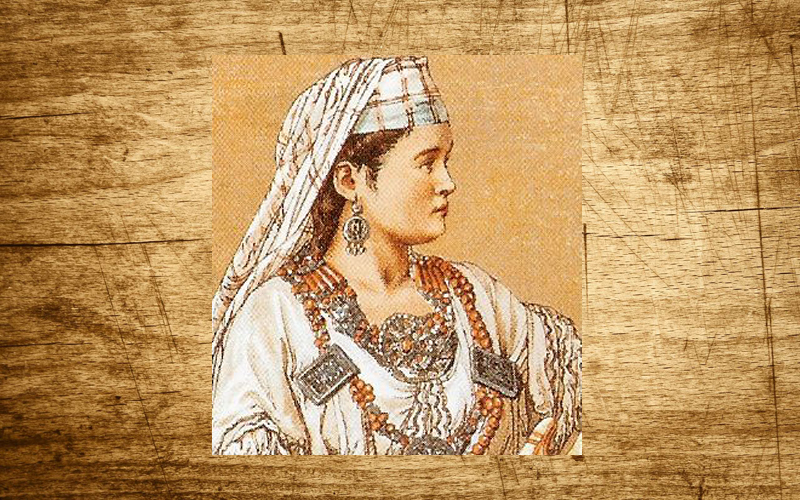
The Kurdish Jews also gave Judaism its first female rabbi, Asenath Barzani, the daughter of Rabbi Samuel Barzani. In the 17th century, due to Kurdish women enjoying more freedom than other populations at the time, she was able to become a Rabbi and began several Jewish schools in Kurdistan. She also served leadership over an academy in Mosul. Even some poetry she wrote would help preserve some of the Hebrew language in the Kurdish areas, unlike other cities such as Istanbul, where this would have been less common. This language development also created an influx of international students in Judaism to the region.
Although Kurdish Jews were a minority in Kurdistan compared to its Muslim population, they ultimately enjoyed good relations. The Jews were allowed to establish several synagogues in Zakho. Because of this, the Kurds often called the city “the Jerusalem of Kurdistan.” This religious pluralism reveals itself most heavily in Sufi poet Melayê Cizîrî’s (1570-1640) ghazal (a Persian poetic form), The Heart is an Ocean, where in the beginning, he states:
“تورم ب دل و پەیرەوی موسایم ئەز
ئاتەش پەرس و نوری تەجەللایم ئەز
Although a follower of Moses, in my heart Mount Sinai shines.
Although a worshipper of fire, deeper sacred light is mine.”
In this poem, the imagery references essential elements of Judaism and other religions, such as Zoroastrianism, with its use of fire in rituals, highlighting the religious pluralism between the Jews and the Muslim population in Kurdistan. It was also a piece reflecting a moderate Sufi Islam willing to coexist with other religions, in contrast to the Ottoman and Safavid Empires’ violent extremism. The poem showcases how many Kurds throughout their history were more willing to coexist with and show respect to their Jewish population, contrasting with the ruling powers of their day.
As for Kurdish connections with Palestine, historical connections began in the 12th century, when Saladin, a Kurdish-Muslim leader, defended the region from the Crusaders and settled Kurds to serve as guards. Because of this, there is a small minority of Palestinians with a Kurdish background, with a third of the population of Hebron having a Kurdish heritage. However, the Palestinian Kurds do not speak Kurdish and have assimilated into Arabic culture.
Due to this assimilation, there is little documentation or research available on how Kurdish culture has survived in Palestine or what the Kurds contributed to Palestinian culture. Many say some Palestinian holidays came from Kurdish culture, such as the Prophet Rubin and Prophet Musa (Moses) festivals. Additionally, the Hathat Palace in Gaza is of Kurdish origin, built in the 17th century by Ibrahim Hathat, a Kurdish merchant. More research is needed to see if there are any other connections between the Kurds and the Palestinians regarding cultural contributions.
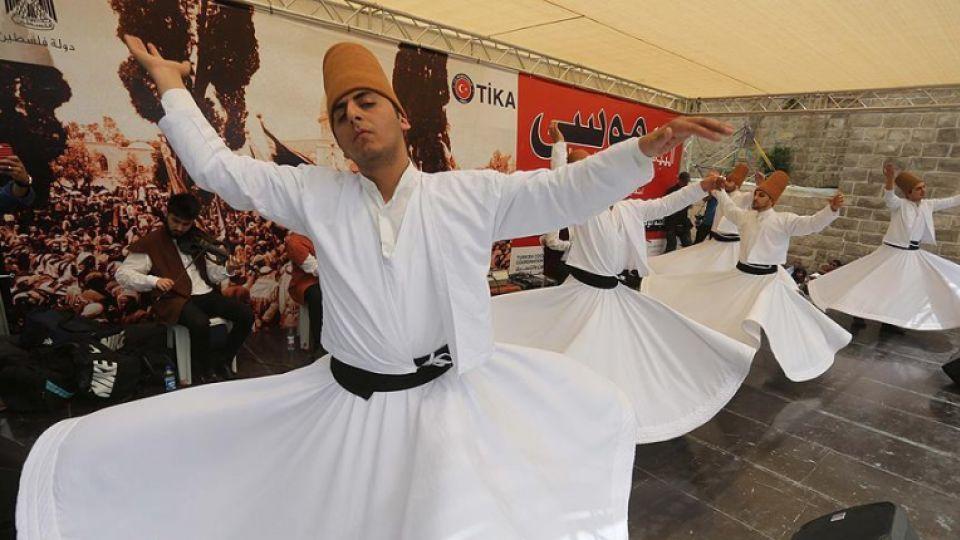
However, that’s not to say the Kurds would not have essential connections to them. Into the modern period, with the rise of the state of Israel and the Israel/Palestinian conflict, the Kurds would be involved from a variety of angles, with the two parties in the conflict also creating connections with the Kurds to a certain extent. This involvement would form connections for the Kurds with both Israel and Palestine to varying degrees.
Connections in Modern History
From the Israeli state’s founding, there has always been cooperation between the Kurds and Israel. Between the years 1948 and 1952, many of the Kurdish Jews in Iraq fled to the fledgling state for asylum due to persecution in their homes. When the Palestinian War/Israeli War for Independence began in 1948, the Iraqi government was expelling Jewish students from its colleges and also arresting many Jews. The government also canceled their citizenship rights and froze their economic assets. Seeing no other options for continuing their lives in Iraq, the Iraqi and Kurdish Jews fled to Israel for protection.
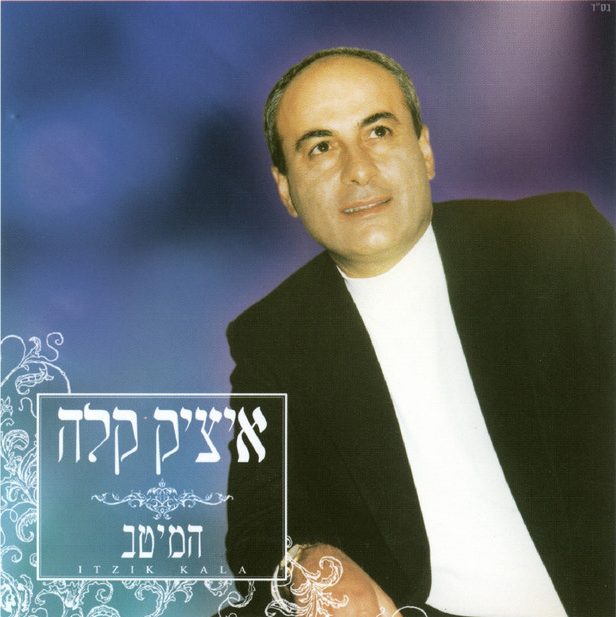
From this migration, Israel now has a Kurdish Jewish community still thriving in its borders. Today’s community primarily speaks Hebrew while still carrying on their cultural traditions. In the Saharane festival, a Jewish spring-time holiday similar to Newroz, the community uses this time to keep Kurdish traditions alive and to honor notable Kurdish Jews from the community, such as Itzik Kala, a Kurdish Jewish singer who sings in Aramaic, Hebrew, and Kurdish. Many Muslim Kurds from Kurdistan also visit the festival to meet their former neighbors and to maintain good relations between Kurdish Jews and Muslims. The Kurdish Jewish community has also formed organizations like the Kurdish-Israeli Friendship Association to improve diplomatic connections between Israel and the Kurds.
Israel has also developed connections with the Kurds on a military basis. Around the start of the 1960s, Israel provided the largest source of firearms and training to the Kurds fighting the Baath regime in Iraq. Several sources have also claimed that several Mossad and Israeli agents were in the Kurdish region within Iraq at the time, meeting needs ranging from medical to military training. The supply of firearms to the Kurds would continue between the years 1965 and 1975 when the Iraqi government was fighting against the Kurds alongside Syrian troops.
The reason for Israel’s strong support of the Kurds was that Israel saw many of the Arab states as enemies of Israel’s sovereignty. This view was the result of past persecutions of Jews carried out by varying Arab states, as Iraq did with the Kurdish Jews. Thus, Israel saw the need to establish connections with minorities in these countries to aid in forming a front against the Arab nations. The alliance appears to have borne fruit. During the war against Israel in October 1973, because Iraq was focusing its efforts on suppressing the Kurdish revolt, it could not participate in the fight against Israel. Additionally, to help Iraq in fighting the Kurds, the Syrian government withdrew many of its troops from its border with Israel to help Iraq, ensuring Israel’s success in the war.
Israel’s connections with the Kurds from this time can still be seen today in its relations with the Kurdistan Regional Government. Many Israeli companies have invested in different economic aspects of the KRG, ranging from construction to communications. On top of this, when the KRG was conducting an independence referendum close to 2017, many Israeli officials voiced support for the region’s independence. Israeli Prime Minister Benjamin Netanyahu particularly expressed immense support for the referendum, saying the Kurds have proven themselves to be influential allies in the Middle East, thus necessitating the need for international support for Kurdish independence. Other officials have also cited the Kurds’ support for democracy as another reason for the Kurds to deserve independence, such as Shimon Peres, the president of Israel, from 2007 to 2014.
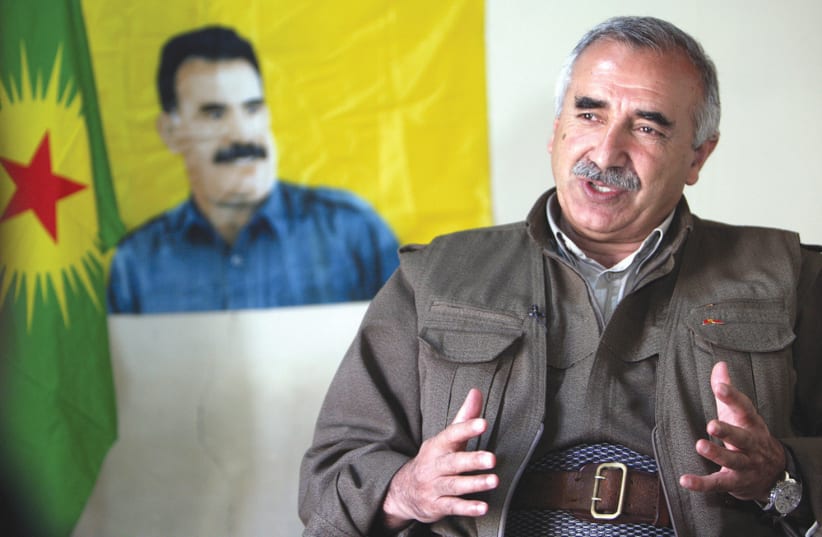
Even the Kurdistan Worker’s Party (PKK) shows sympathy for Israel’s rights as a nation, despite the country blacklisting it as a terrorist group. In an interview with Murat Karayilan, one of the high commanders of the PKK, when asked about his thoughts on the Abraham Accords, the Jerusalem Post reported him saying:
“Israel has the right to exist and Jews to have their own independent state, and so do the Palestinians. We support the UN resolutions to solve the conflict between the Israelis and Palestinians with a two-state solution. This is why we agree with this peace treaty. It is a positive thing to have a peace treaty between Israel and the Arab countries.”
This statement shows sympathy for the rights of Israel, but the PKK’s support of Palestine begs the question of how this started for the group. How does the PKK support both sides that conflict with each other? This stance is not necessarily as conflicting as it appears to be. Being a political movement that transitioned from a Kurdish-nationalist movement to one simply pushing for political representation of Kurds within the Turkish government, on top of cooperation with other people groups, the statement reveals the group’s goals of peace between ethnicities in the Middle East. It also highlights the group’s previous ties to the Palestinian movement. During the Cold War, the PKK had helped the Palestinians in the Palestinian movement before starting its armed insurgency in Turkey. This cooperation would become the Kurds’ most significant connection with Palestine.
Around the 1980s, the Popular Front for the Liberation of Palestine (PFLP) and the Democratic Front for the Liberation of Palestine (DFLP), leftist movements among the Palestinians, trained PKK militants. From this, the PKK would fight against Israel in Lebanon in 1982 and would also gain enough strength to begin intensive fighting against the Turkish army in 1984.
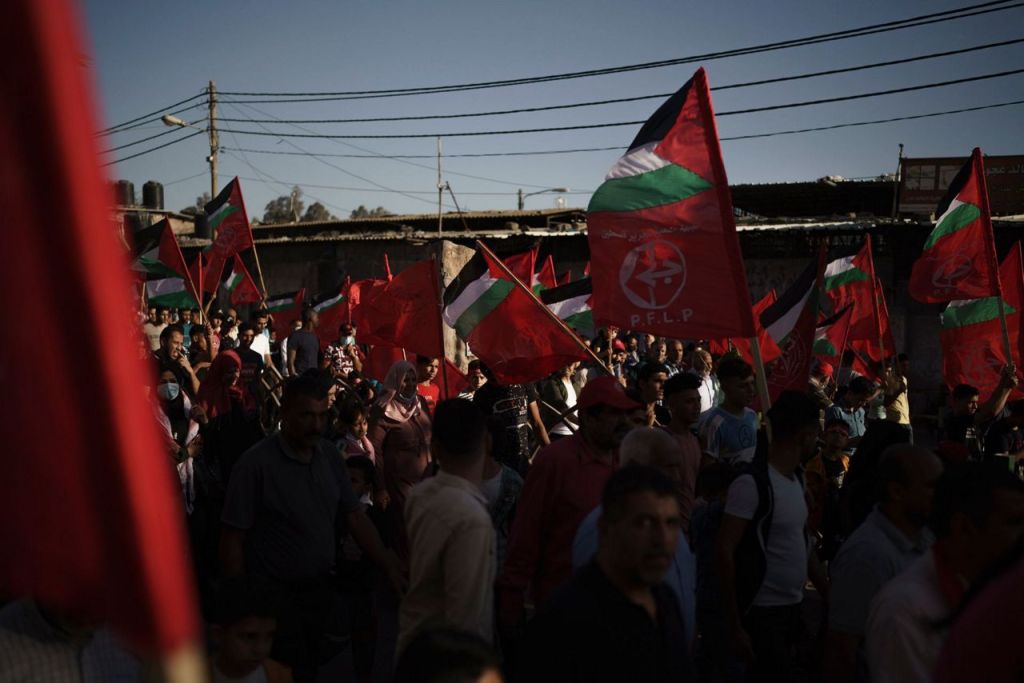
It’s important to emphasize that the basis for this cooperation was not Islamic ideology, as Hamas operates. Cooperation here sprang from Marxist ideology. After the Karameh battle in 1968 between Israel and the Palestinian organization Fatah, the Palestinian guerillas were able to succeed in establishing a military presence of their own against the Israeli Defence Forces (IDF), in contrast to previous Palestinian movements which other Arab states orchestrated. This success led to increased solidarity with other leftist movements worldwide, particularly in the Middle East with Turkey. Many leftists would join the Palestinian movement to support its fight against Israel.
Seeing how, at this time, the PKK was Marxist, Abdullah Ocalan, the group’s leader, would also take advantage of this international solidarity. In 1979, Abdullah Ocalan had to flee Turkey when the government started to crack down on his party’s whereabouts and activities. To continue pushing for the rights of the Kurds, he began to establish connections with the Palestinian movement, arranging for his group’s militants to receive training from the Palestinians. This training would form the PKK into a fighting force strong enough to begin combat with Turkey in 1984.
Despite this support for the Palestinian movement from the Kurds, the Palestinian government has not shown sizeable public support for Kurdish aspirations for autonomy. When the Kurdistan Regional Government (KRG) was holding its referendum for independence, diplomats came from Palestine to tell the Kurds that they should call off the referendum. This exchange was alongside condemnation of the referendum from countries like Turkey and Iraq.
This message to the Kurds is unusual for Palestine to do because they are in a situation where they are aspiring for autonomy of their own in their former lands now within the Israeli state, much like the Kurds within their land of Kurdistan. Even many Palestinians on their own have separated their thoughts on the Kurds from the decisions of the Palestinian government, showing sympathy for the Kurds. Ghassan Khattib, who was a minister and adviser to Yasser Arafat, a former leader in the Palestinian movement, has also made a statement for the publication The New Arab, stating:
“Purely on a personal level, I understand the Kurds, and believe they do deserve a state… If you ask ordinary Palestinians, you will also hear the same sentiment.”
With this sympathy, then, why does the Palestinian government not support Kurdish independence? According to Khalil Shikaki, a well-received political analyst in Palestine, the Palestinian government does not support Kurdish independence simply because to do so would lead to the loss of Arab territory in places like Iraq and Syria, where many Kurds live. It would break off Arab support for Palestine in its pursuit of autonomy. Even Saeb Erekat, an advisor to the Palestinian administration, has said to the publication Al Arabiya, “Kurdish independence would be a poisoned sword against the Arabs.”
This stance shows a dissonance between the Palestinians and the Kurds. Although a people group themselves struggling for autonomy like the Kurds, the Palestinian government is choosing to back away from intensive ties with the Kurds for the sake of building support among the other Arab states. Although some sympathy is evident between the Kurds and the Palestinians regarding their struggles for rights, the government views Kurdish ties as a weight toward political aspirations for Palestinian independence. Even with having a Kurdish population of its own and also receiving Kurdish support in the past, the Palestinian government shows little interest in returning that support to the Kurds. It is a sharp contrast to Israel-Kurdish relations, which is much more involved than Palestinian-Kurdish relations.
Kurdish Thoughts on the Israel-Hamas War
Whatever ties the Kurds may feel with Israel/Palestine, the Israel-Gaza War has generated controversy among them. Although the current Kurdish political factions remain generally quiet on the issue while also issuing nuanced statements, this has not stopped the Kurds from expressing their thoughts on the war. Many Kurds have shown disdain for how, despite Palestinians gaining so much coverage on their plight in the war, there is still little attention drawn to the Kurdish struggle for human rights. This protest is mainly in response to Turkey’s strong support of Palestine, particularly Hamas, which the country’s leader, Erdogan, has described as freedom fighters.
Unlike its Western allies, Erdogan has not listed Hamas as a terrorist group. Meanwhile, in Turkey’s backyard, the government criminalizes speaking the Kurdish language and is also involved in armed aggression against the Kurds in Rojava.
Because of the persecution Kurds face at the hands of Turkey, many of them see Turkish support of Palestine as hypocrisy, calling out abuses towards Palestine when they have not addressed their policies of cultural genocide against the Kurds. Farhang Faraydoon Namdar, a researcher and journalist specializing in the Middle East, has posted on Twitter a video of a Turkish military vehicle running over a Kurdish woman, likening the situation to the Palestinian one but decrying how the world paid little attention to this event that happened around five years ago in 2018.

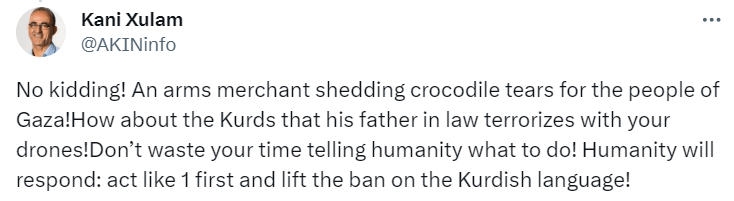
Kani Xulam, the director of the American Kurdish Information Network (AKIN), has responded to a Twitter post that Turkish news outlet TRT had made about the Turkish military supporting Palestine with armed drones that condemned the Palestinian situation. In his response, he demanded, “Don’t waste your time telling humanity what to do! Humanity will respond: act like one first and lift the ban on the Kurdish language!”
Regarding Israel, however, many Kurds have staged demonstrations in favor of Israel. Many community leaders among the Kurdish diaspora have also shared solidarity with Israel, citing how both the Kurds and Jews have struggled for their autonomy in defense against past and current oppression towards themselves. I also saw this when talking to Kurds in Nashville. They tended to identify more with Israel due to having similar histories of oppression at the hands of powers seeking to harm them. Whereas with Palestine, due to the Kurds suffering oppression from the Arabic countries of Syria and Iraq, my Kurdish friends do not share as much empathy with the Palestinians due to their ties with other Arabic nations, particularly with the relations between Hamas and Turkey.
Erdal, a Kurdish patriot from Northern Kurdistan (Bakur) in Turkey, has shared similar views. Regarding the Palestinians and the Jews, he has stated that because of Arabic hostility towards the Kurds, he doesn’t consider himself close to the Palestinians.
“Palestinians are Arabs, the Arabs don’t like us, and the Palestinians don’t like us, so I don’t support the Palestinians,” he said. “Iraq killed many Kurdish women and children in the past. Arabs have oppressed us.”
Regarding Israel and its war with Hamas, he stated, “The story of the Jews and the Kurds are similar. The Jews are defending themselves, so let them win the fight. Most Kurds support Israel because of this history.”
Salah Othman, the Imam of the Kurdish Salahadeen Center in Nashville, has also emphasized the cultural connections between the Jews and the Kurds, with little mention of political connections. Even with this, however, he also stressed the need for unity between the Jews and the Palestinians in this conflict.
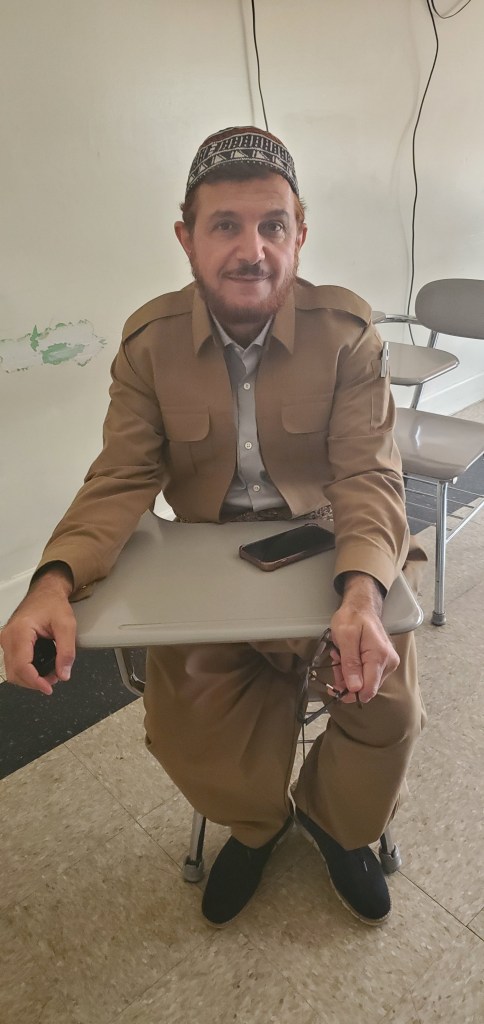
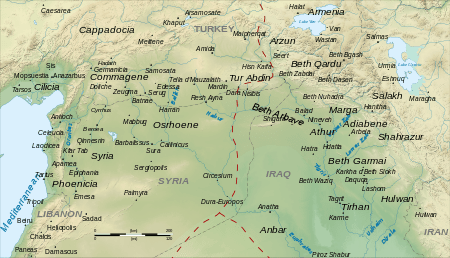
“Not just Jews, Palestinians, or Kurds, but all people need unity. Regarding the connection between Kurdish politics and the region, I can’t say I know very much about the matter, but the Kurds do have a lot of cultural connections with the Jews. Abraham’s birthplace was in Kurdistan (He is referring to a tradition stating Abraham was born in Edessa, a city within the borders of Turkey bordering Syria, not the ruins of Ur in southern Iraq), and there were many Jews in Kurdistan throughout our nation’s history.
“In the war, there’s been many casualties on both sides. Women are dying; mosques are falling apart from the crossfire. However, both sides deserve their rights, and there must be peace between them. There are many Arab countries in the world (in contrast to Israel), yes, but both sides have suffered oppression.”
Erdal has also shared similar views regarding the Jews and Palestinians. “I’m okay with both of them having their own state, but terrorists shouldn’t run Palestine. Not all Palestinians are like that, but it’s a big problem now with Hamas. Generally, among Kurds, we view all people equally, and we don’t have issues with making peace with people who want it. Palestine’s just run by bad people right now.”
As for Kurdish support for Palestine, I have not met many Kurds who have shown support for Palestine. I tried to request an interview with some whom I’m in contact with on social media due to them posting pro-Palestine messages on their accounts, but they did not confirm my request for an interview.
However, Herş, a Kurd residing in the Kurdistan Regional Government within the borders of northern Iraq, has told me there are many Kurds who support Palestine because of their ties to their faith as Muslims. “There are Kurds who support Israel, but there are also other Kurds who support Palestine because they are Muslims. There are different opinions for everybody regarding the situation.”
Ultimately, the Kurdish connections to Israel and Palestine emphasize how the Kurds have seen, and continue to see, their struggle for human rights and then attach it to the conflict between the Jews and Palestinians. Much like how others around the world might connect themselves to either Israel or Palestine based on their religion, the Kurds make similar connections based on how much they can relate their struggles to the struggles of the Jews and Palestinians. The trend among the Kurds in total appears to be, at least politically, to support Israel, especially in the current war between Israel and Hamas, with some Kurdish support going to Palestinians. Still, truly, whoever the Kurds can see as being in the same boat as them, the Kurds will consider them like their own, fighting for their survival amidst people who want them dead—ranging from the Kurdish Jews that fled to Israel when the country was born to the PKK’s Marxist ties to Palestine, who the Kurds support and how they will do it will vary differently among the Kurds.
Sources
Adsay, F. (2023, October 22). Şerê Hemas-Israîlê Û Helwesta Kurdan. YouTube. https://www.youtube.com/watch?v=EWGFJS0KxzQ
Akkaya, A. H. (2015). The “Palestinian Dream” in the Kurdish Context. In Kurdish Studies, Volume 3, Number 1 (Vol. 3, pp. 47–63). essay, Kurdish Studies.
American Kurdish Information Network. (n.d.). About kani xulam. AKIN. https://kurdistan.org/about/about-kani-xulam/
BBC. (2023, December 21). What is Hamas and why is it fighting with Israel in Gaza?. BBC News. https://www.bbc.com/news/world-middle-east-67039975
The Center for the National Interest. (2021, March 8). Farhang Faraydoon Namdar. The National Interest. https://nationalinterest.org/profile/farhang-faraydoon-namdar
Dag, V. (2023, October 17). Kurdish Diaspora Solidarity with Jewish Community. The Times of Israel. December 22, 2023, https://blogs.timesofisrael.com/kurdish-diaspora-solidarity-with-jewish-community/
Davidovich, J. (2017, September 13). Rebuffing former top general, Netanyahu says Kurdish PKK a terror group … The Times of Israel. https://www.timesofisrael.com/rebuffing-former-top-general-netanyahu-says-kurdish-pkk-a-terror-group/
The Gaza Circus team performs for children in a school at Al-Shujaiya neighborhood on Nov. 14, 2021 in Gaza City. (2022, January 2). Kurdish Gazan families interwoven in Palestine’s national fabric. Al. https://www.al-monitor.com/originals/2022/01/kurdish-gazan-families-interwoven-palestines-national-fabric
Hercz, R. (2017, September 25). How Palestinians came to reject Kurdish demands for homeland. The New Arab. https://www.newarab.com/opinion/how-palestinians-came-reject-kurdish-demands-homeland
Khezri, H. (2022). Kurds, Jews, and kurdistani jews: Historic homelands, perceptions of parallels in persecution, and allies by analogy. Religions, 13(3), 253. https://doi.org/10.3390/rel13030253
Liga, A. (2016). Israel and Iraqi Kurds in a Transforming Middle East. Istituto Affari Internazionali (IAI). http://www.jstor.org/stable/resrep09766
Matthew Petti on December 1, 2023, Wladimir Van Wilgenburg on December 16, 2023, Hoshang Hasan on December 1, 2023, Anna Rebrii & Nisreen Kermo on October 23, 2023, & Seevan Saeed on October 23, 2023. (2023, December 4). How have Kurdish movements reacted to the war in Gaza?. Kurdish Peace Institute. https://www.kurdishpeace.org/research/conflict-resolution-and-peacebuilding/how-have-kurdish-movements-reacted-to-the-war-in-gaza/
Misch, G. (2018, November 3). A road to Mecca The Journey of Muhammad Asad. YouTube. https://www.youtube.com/watch?v=HqTGs4ZN04Q
Namdar, F. F. (2023, November 27). Nobody talks about this!turkish Army vehicle in 2018 crushed the head of an elderly Kurdish woman!she was a Muslim she was Innocentkurdistan is occupied by Ankara!turkey continues to bomb Kurds everywhere, even in Eu! #Israel #palestine #gaza #Kurdistan pic.twitter.com/911zuzyzd2. Twitter. https://twitter.com/NamdarFarhang/status/1729177092112454059
Oueis, H., & Spyer, J. (2020, November 27). Kurdish PKK leader tells ‘Post’ of ‘peaceful struggle’ against Turkey. The Jerusalem Post. other, The Jerusalem Post. Retrieved December 22, 2023,.
Sargis Mamikonian. (2005). Israel and the Kurds (1949-1990). Iran & the Caucasus, 9(2), 381–399. http://www.jstor.org/stable/4030960
Studies, S. C. for J. (2023, November 18). The jews of kurdistan: How Kurdish jews became Israeli. UW Stroum Center for Jewish Studies. https://jewishstudies.washington.edu/global-judaism/kurdish-israeli-jews-kurdistan-saharane/
Toksabay, E., & Senkaya, D. (2023, October 28). Eclipsing Turkey’s centenary, Erdogan tells pro-Palestinian rally … Reuters. https://www.reuters.com/world/middle-east/erdogan-address-pro-palestinian-rally-eve-turkeys-centenary-2023-10-28/
Xulam, K. (2023, October 30). No kidding! an arms merchant shedding crocodile tears for the people of gaza!how about the Kurds that his father in law terrorizes with your drones!don’t waste your time telling humanity what to do! humanity will respond: Act like 1 first and lift the ban on the Kurdish language! pic.twitter.com/GVXGUVSYQT. Twitter. https://twitter.com/AKINinfo/status/1719075566626693576

 Dengê Çiyayên: Voice of the Mountains
Leave a comment