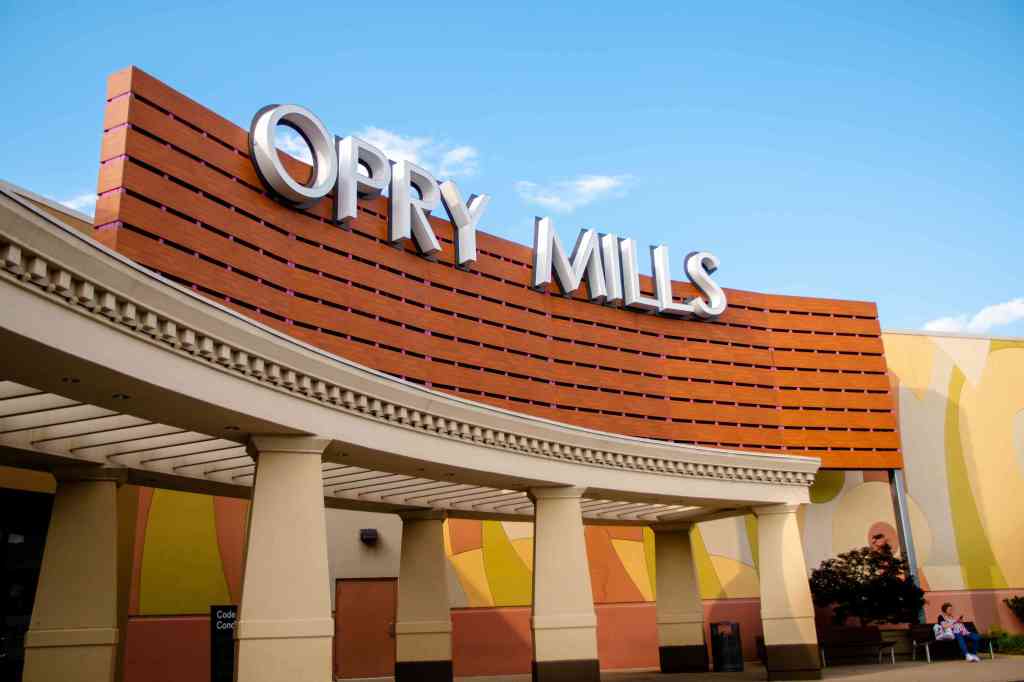
Many are familiar with Nashville’s title of Music City. Many of the city’s residents and tourists flock to places like the Grand Ole Opry and other music venues for entertainment, the places that make Nashville a hub for country music in the United States. Even the Opry Mills Mall has country music on its speakers throughout store hours to prove it! The music adds to the inner rhythm of the coming and going of its shoppers, flavoring the flow of life in its kiosks and stores. The Country Music Hall of Fame in Nashville has also been called the “Smithsonian of country music,” emphasizing the critical role of country music in Nashville’s history and culture.
However, most people might not know that there’s another culture in Nashville where music plays an important role: the Kurds! With an estimated 20,000 Kurds in Nashville, the city is home to the largest Kurdish diaspora in the United States. Like Nashvillians with country music, the Kurds strongly connect to their music and cultural traditions. It flows in their blood as strongly as country music does for Nashville residents.
However, what makes Kurdish music different from most American music is that its purpose for the Kurds is not just for entertainment, much like how Americans and people in the West might treat their music. For them, it’s a way of remembering their cultural traditions and the issues their people face today. If you look at Billboard’s list of top 100 artists, you’ll find artists like Taylor Swift and Ed Sheeran taking places within the list. Many of the artists on the list are primarily known for their music about romance or hanging out with friends on the weekends. These subjects often make these songs just entertainment for the West.
In contrast, Şivan Perwer, a Kurdish musician, is considered the most famous musician among the Kurds. Although he does have several love songs in his career, he’s ultimately well-known for his patriotic songs about Kurdistan, the homeland of the Kurds. His songs have also influenced many other musicians among the Kurds to continue this legacy. This impact alone highlights music’s importance to the Kurds in preserving their culture.
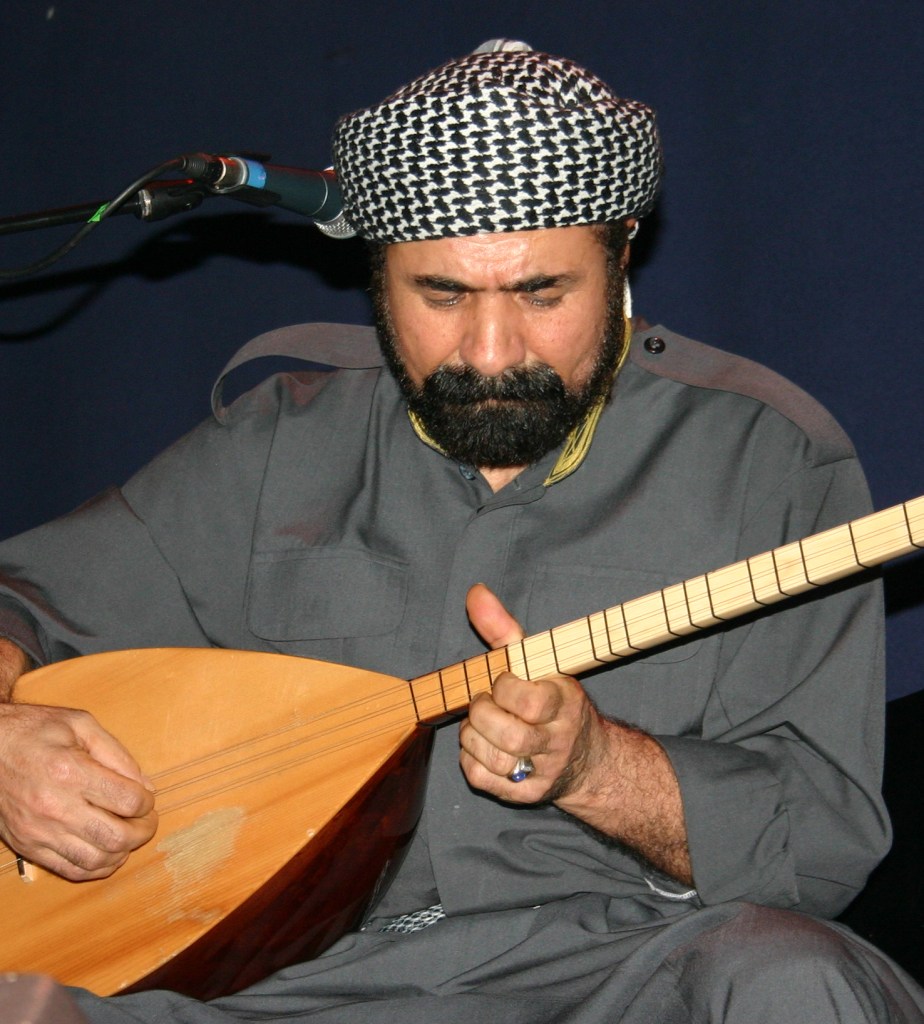
How his music spread to the Kurds is also a testament to this purpose. In places like Turkey, where the Kurdish language is banned, many Kurds would secretly obtain cassette tapes of Şivan Perwer’s music and hide them in their yards, wrapped in plastic so they could listen to them again before being buried. The Kurdish music industry continues today in Turkey, with online distribution making it easier for Kurdish music to be available. Unfortunately, due to the Kurdish language’s illegal status in Turkey, the industry is still limited, with little opportunity for public radio broadcasts or concert venues in Turkey.
Even with this, the demand among Kurds for music preserving their culture is still high. Seyda Perinçek, a Kurdish artist, has uploaded videos of his music that enjoy a high viewer count, with most of his music conveying messages of Kurdish patriotism. His song, Berxo, about Kurdish martyrs who fought against the Turkish state, has received around 34 million views on YouTube. Another piece honoring the memory of Kurdish fighters, Ez Gerilla Me, also has approximately 7 million views.
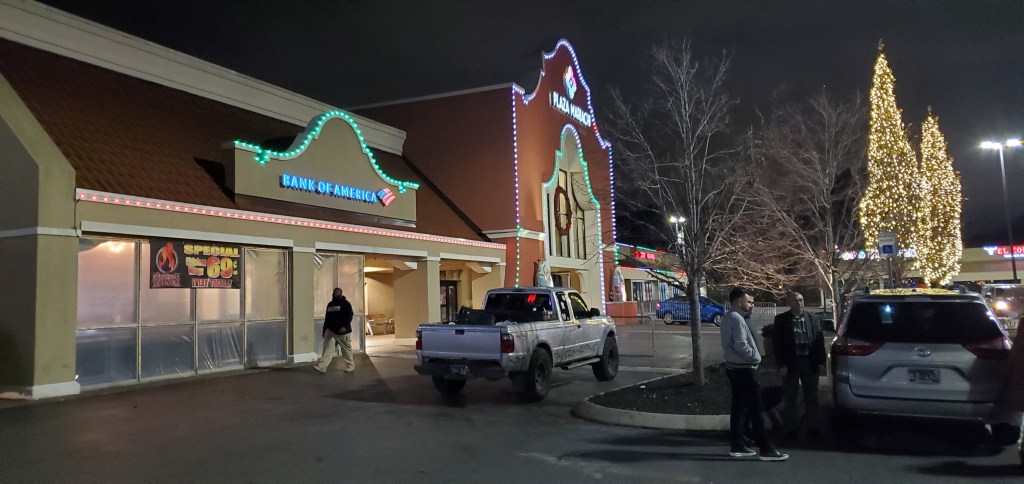
With this reputation in mind, it is plausible to understand why the Kurds in Nashville organized a concert for him at Plaza Mariachi. Having the opportunity to see the show on December 5 near the end of last year, what I saw from both the crowd and Seyda was not just a time to get together and enjoy each other’s company but also a remembrance of their identity as Kurds. It was an event of great passion and affection for their homeland, moving even me to identify with them and what they stood for. Although not a Kurd, I found a sense of belonging and unity with them that’s hard to find in many places.
The concert created a herald for the Kurds to hear, to remember their heritage, and to carry it on into the present day. It was a time of celebration and an urgency to remember their Kurdish identity. It is an experience that demands others who haven’t tasted the atmosphere of a concert like this to watch and listen.
Concert Events
Before Seyda Perinçek began playing, a local Kurdish band, Dengên Bagok, played in preparation for Perinçek’s performance. When starting, the band played “Ey Reqîb (Oh Enemy),” the Kurdish national anthem. They then played other Kurdish folk music, with moments set for Kurdish dancing in between.
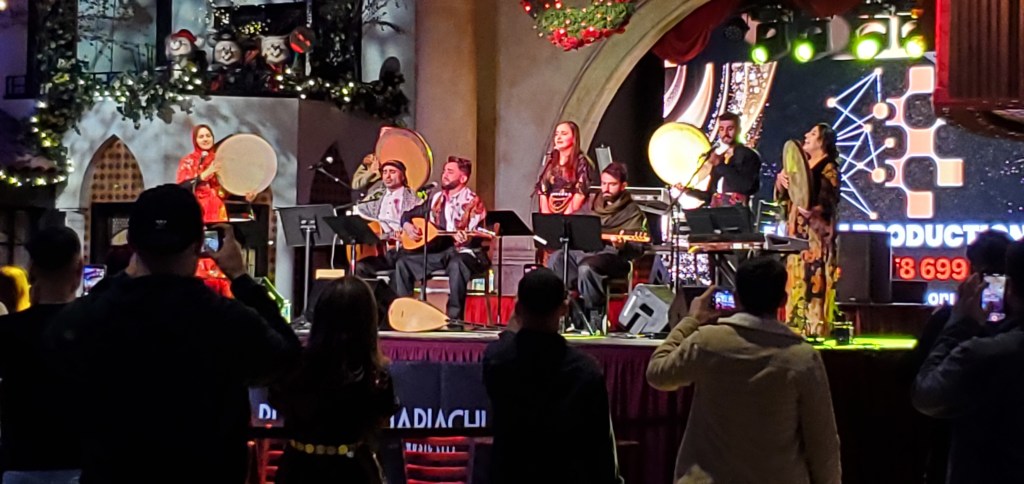
When hearing Kurdish music for the first time, you might come across sounds unfamiliar to American culture. That is because there are different instruments used in contrast to Western ones. The saz, for instance, is a stringed instrument with a long neck and body that makes a low but melodic sound, heavier than a guitar’s sound. There’s also the daf, a hand drum with rattles attached, creating a thumping and metallic voice to many songs.
However, that’s not to say that Kurdish music doesn’t use Western instruments. For example, the band used a guitar and a drum box in the concert for their music, creating melodies that are both foreign and familiar to Western listeners.
Kurdish dancing is another feature of Kurdish culture that could dazzle first-time seers. While in the West, there’s a big emphasis on people dancing individually, Kurdish dancing is primarily carried out in unison with others in a circle or line. Their dancing is a series of stepping patterns done in conjunction with others to the beat while also holding each other’s pinkies or crossing arms to form a chain connecting everyone. Some steps are smaller, while others involve jumping as the rhythm intensifies. It’s almost like playing in a marching band, where everyone must step to the rhythm of the music, only with dancing thrown into the mix.
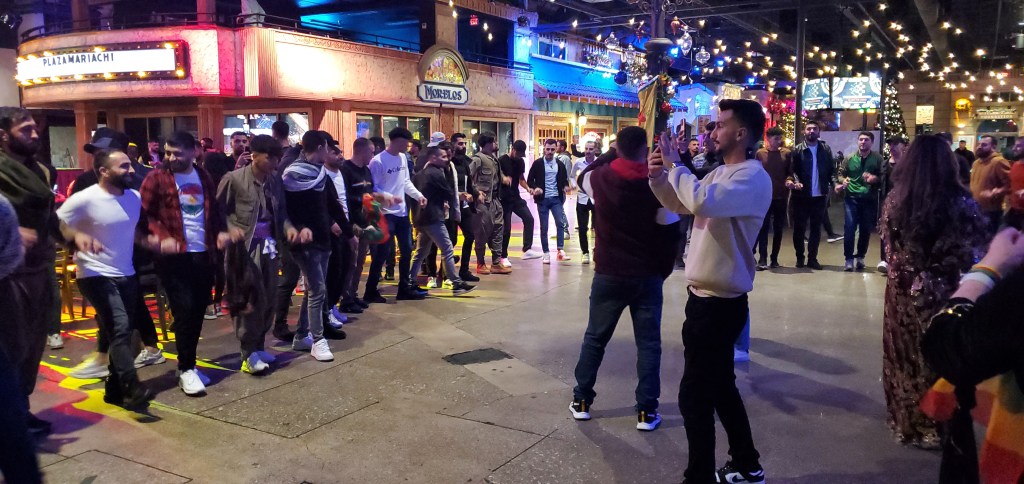
Once the band finished their performance, a brief intermission followed. After a few minutes, Seyda Perinçek came on stage and began performing.
Where Dengên Bagok began engaging the audience with Kurdish folk music and cultural expression, Seyda carried that engagement to the end. He captured the crowd’s sentiments not only with his musical ability but also with his emotional expression in his music. The topics of his songs aid in this as well.
Kurdish music has a poetic flavor that helps create a sad undertone in nearly every song you hear in the genre. The song could be hopeful, intense, or even happy; in some form, you can almost always feel it move you to grief, whether big or small. You might hear a contrast between the instruments’ sound and the song lyrics or even different emotions within the lyrics alone. This contrast between suffering and life can even extend to the saz itself, its low and melancholic sound even carrying itself to its higher, more cheerful notes. One can get a sense of the constant pain following the Kurds, even in their best moments.
Some of the starting band’s choices of songs also reflect this. “Kirasê Sor,” a Kurdish love song about a lover’s unfulfilled desire to see his beloved, was aided in the concert by a somewhat cheerful musical voice that clashes with the lover’s broken heart in his words. “Ey Reqîb” is the Kurdish national anthem, and the song conveys to Kurdish foes that the Kurds will always stand, affirming that the Kurds will attain their rights. Yet even in its lyrics, it can’t escape expressing the woes the Kurds have faced throughout their history or the blood their enemies have forced them to shed for their survival.
Seyda carried this emotional burden into his music for the concert as well. One song in which this skill shone was in his song, “Tu Jî Çêke Starek.” Although the contrast was lacking, the expression of grief was evident. The piece calls for Kurds in the diaspora to recognize the poverty of being refugees in another land and to remember their home of Kurdistan. Accusations are even raised towards the diaspora, saying that even donkeys have it better than them, yet they are still content with their situation.
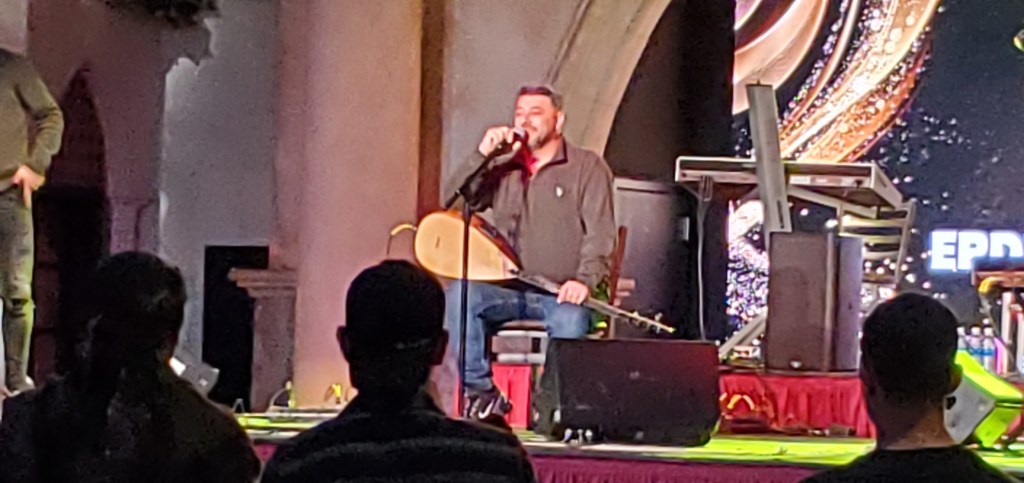
The voice of his playing, in particular, helped convey this urgent state. At the beginning of the song, he began to play varying low notes rapidly on his saz, ascending and descending at almost random intervals, even quickening and slowing the tempo randomly. His voice would change tone likewise as he sang, often carrying out different sounds in a long, single breath. He conveyed the depths of his heart in his voice, almost making his singing sound like he was wailing or crying. The emotional intensity hit the hardest as he sang the ending lyrics of the song:
Maf xwestiyê xwe be tim, ne stu xwar û dîl be
Li hember dagirkeran tu jî çêke tifaqek
“Always demand your rights; don’t lower your necks and be captives—Ally against the oppressors.”
Although this song primarily conveyed sorrow, Seyda’s next song, “Derdo,” showed a contrasting emotion on top of this sorrow. Seyda’s saz conveyed a more upbeat tone, but his lyrics started with talking about pain and suffering. However, it twisted this topic into discussing how pain and suffering helped him learn. This twist was most evident in the song’s chorus and the energy Seyda brought to it.
He managed to convey a lot just from sitting down! As he played the chorus, not only did he raise his voice, but he also began stomping while playing. The crowd even began to sing with him, creating a joined atmosphere where you could see everyone shared that same hope Seyda conveyed in the lyrics:
Derdo, tu dê û bavê mine derdo, tu nan û ava mine derdo
tahma jiyana mine derdo derdo
“Oh, Pain! You are my mother and father, Pain! You are my food and drink, Pain! You are the taste of my life, Pain, oh Pain!”
It is unusual to identify hope with seeing how pain changes you. It takes a lot of resilience to look back at where you were hurt and confront all of the trauma that comes with it. In this moment, though, I saw how the contrasting emotions common in Kurdish music built up encouragement instead of conveying disorientation. It was a moment where I saw the crowd acknowledge that although they were hurt, they could still find the hope to continue their lives. That pain was still following them, but they had the strength to move forward. It’s a fitting song for Kurdish culture, considering they’ve suffered so much persecution and yet are still willing to continue fighting for their existence. It fits into how the Kurds, through their music, have been able to cope with grief in varying ways, be it through showing how heavy that pain is, that grief still follows them even in moments of joy, or acknowledging that grief is an experience that moves them forward to maintain their survival.
The Crowd’s Impressions
When interviewing concert attendees, I heard many positive thoughts about Seyda’s performance and the quality of his voice. Everyone spoke highly of how well Seyda played and how much they enjoyed his music. However, what stuck out to me the most was that many attendees spoke more about the importance of the concert for preserving Kurdish culture than they did about whether or not it was a fun time. They saw this concert as a way of expressing their identity as a people and preserving their heritage rather than just an event to attend casually.
Ibrahim Karahan, a Kurdish resident in Nashville, talked about how he liked Seyda’s voice but also highlighted the artist’s Kurdish patriotism. “His Kurdishness is excellent; it’s important for us.”

Bilal, another Kurd, while praising Seyda’s poetic ability, highlighted how his music carried on the memory of martyrs who fought for the Kurds. “Seyda’s music helps us remember the martyrs who fought for us and to carry on their memory. This concert is a big help in preserving our culture here in Nashville!”

Nezrine, a performer in Dengên Bagok, even called Seyda “Mamoste,” or Teacher, highlighting his reputation for conveying Kurdish identity in his music. “He’s like us; he left Kurdistan and is a refugee in another country. He teaches us a lot about the importance of our struggle for human rights with his music. I hope this event raises more awareness about Kurdish culture and that more groups will form to spread awareness of our heritage to the next generation.”
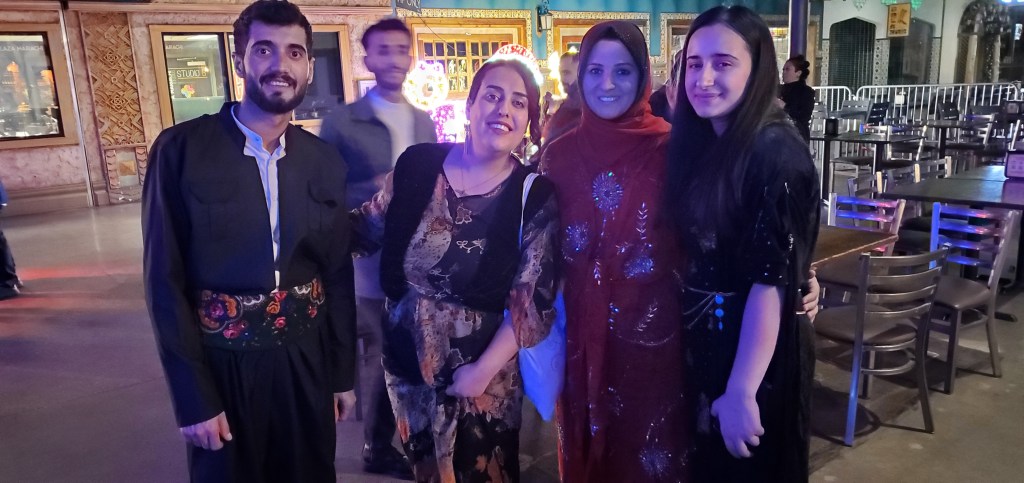
Two other examples of this that stuck out to me were two children among the Kurdish diaspora, Mir and Melek! They are siblings born in the Kurdish diaspora in Nashville, and their parents are from Bashur (Southern Kurdistan/Northern Iraq). When interviewing them, I saw how, despite being born in the United States, they had some familiarity with their culture before the concert and even found ways that this concert helped them maintain interest in their culture.
Mir spoke to me in a little Kurdish during the interview, and he even mentioned how his father plays Kurdish music in the car when they go to school. “I didn’t know all of the songs for the concert, but my dad plays Kurdish music in the car when he takes us to school, so I know a little bit… Being at the concert teaches me more words and dances (in the Kurdish language and culture), and it’s really fun to interact with others here!”
Melek also discussed how she heard Kurdish music before the concert and wants to hear more from being at the show. “My family usually picks a Saturday or Sunday where we just listen to Kurdish music. I’m a little familiar with the music because my dad plays music like this a lot. The concert helped me learn more about the music, and I want to listen to more Kurdish music because I usually only hear it on the weekends or when I’m cleaning and playing music. I’m interested in some music I hadn’t heard before here!”
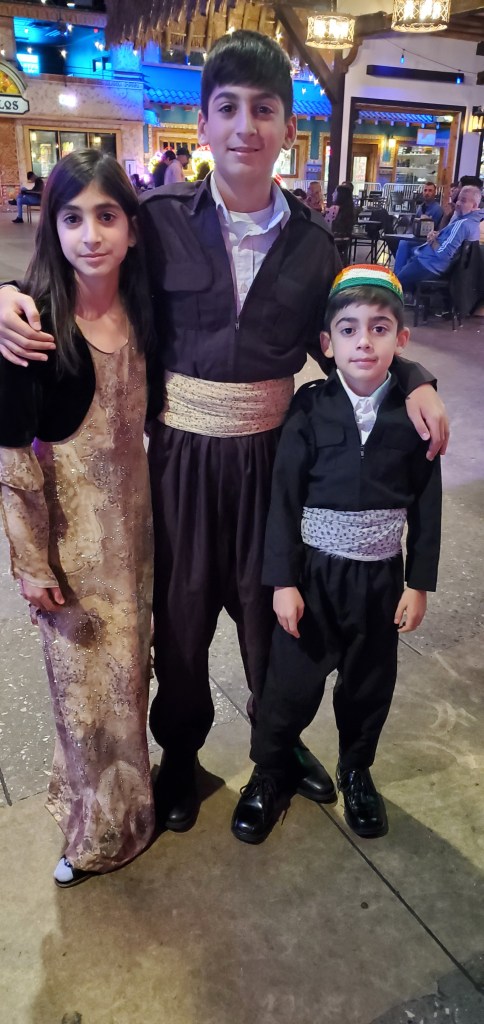
On top of cultural preservation, I also saw from the attendees a need to address a more significant problem within their need to express their heritage. Throughout Kurdish history, the Kurds have been divided amongst themselves for varying reasons, creating blockades toward their autonomy. This division has created tensions among Kurds on a personal level as well, leading to occasional arguments and splits in relationships because of it.
Kurdish Divisions and Unity at the Concert
Throughout Kurdish history, due to the mountainous terrain of Kurdistan limiting the flow of travel and communication, the Kurds have developed different cultures and conditions in their communities that have prevented a complete unity among them. For instance, there are six sub-dialects within the Kurdish language, and the individuality of the Kurdish communities has led to many Kurds identifying primarily with their tribe rather than with their national heritage. Empires and governments they have lived under, such as the Ottomans and even the modern-day Republic of Turkey, have used this to the Kurds’ disadvantage, creating provinces for them with power given to the tribal leaders of the Kurds, creating further tensions between them.
Many Kurds also align themselves with different political factions among themselves, like the Kurdistan Democratic Party (KDP) in Northern Iraq (Bashur, Southern Kurdistan) and the People’s Protection Units (YPG) in Northern Syria (Rojava, Western Kurdistan). Due to these factions acting in the name of Kurdish rights in different parts of Kurdistan against different political powers, they’ve often developed ties and ideologies for their survival that have created tensions between them in the past and even outright armed clashes. As a result, the Kurds are often in disagreement with each other on an individual basis, and the tensions between the Kurdish groups have become another obstacle to Kurdish unity and autonomy.

At the concert, however, I saw a glimmer of hope that further unity among the Kurds was possible. When attending the show, I saw Kurds from different parts of Kurdistan attend the show, ranging from Bashur to Bakur (Northern Kurdistan, Southeastern Turkey). I also saw flags from different Kurdish factions shown at the concert, like the flag for the YPG and the Kurdish flag used in Bashur. These Kurds held different allegiances and dialects and chose to make this concert a time to be together despite their differences. I saw their hearts become one as they sang along to the music and danced together. Having learned about the Kurdish struggle and divisions among them, it was a refreshing change of pace to see Kurds across the spectrum decide to spend time together as friends, regardless of whatever might be going on among the Kurds now.
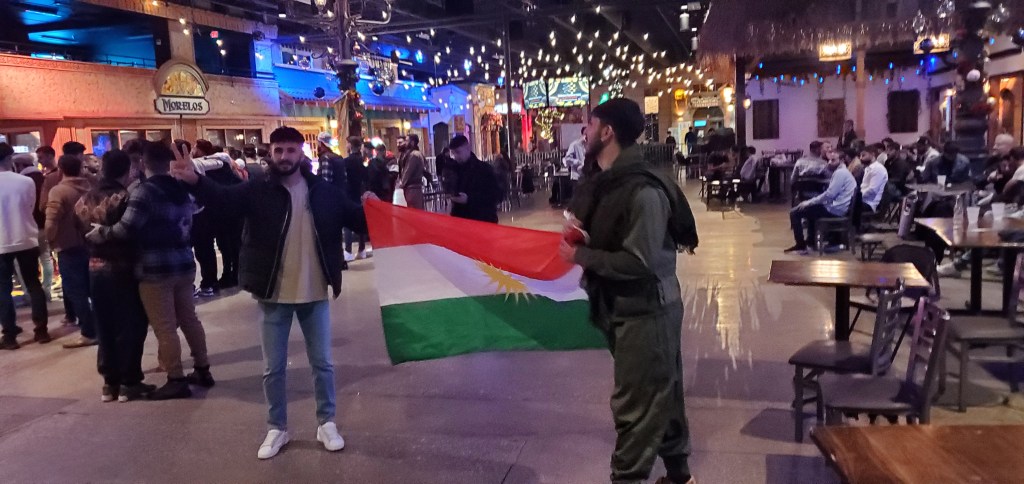
I wasn’t the only one holding on to this hope for unity. Many interviewees at the show expressed this hope for unity among the Kurds. Itaner, a Kurd residing in Nashville for 20 years, on top of discussing how she wants her children to learn about their roots, was grateful for the concert creating an atmosphere of unity among the Kurds. “Many Kurds from different places and groups came here. I’m thankful for the show, which created steps toward Kurdish unity and increased awareness of our identity as Kurds! Long live Kurdistan and all four parts of our nation!”
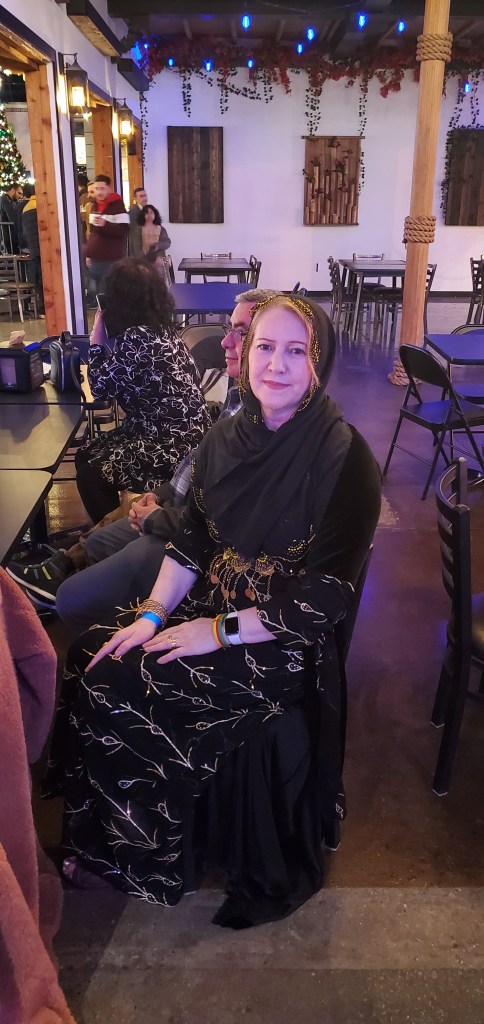
Sadiye, a Kurd from the city of Merdin in Bakur, also expressed hopes for unity among the Kurds. “I hope this show helps the Kurds become one and for friendships and camaraderie to form among us. Many Kurds don’t see each other that way, and I hope this will happen so that our nation’s fortunes will increase.”
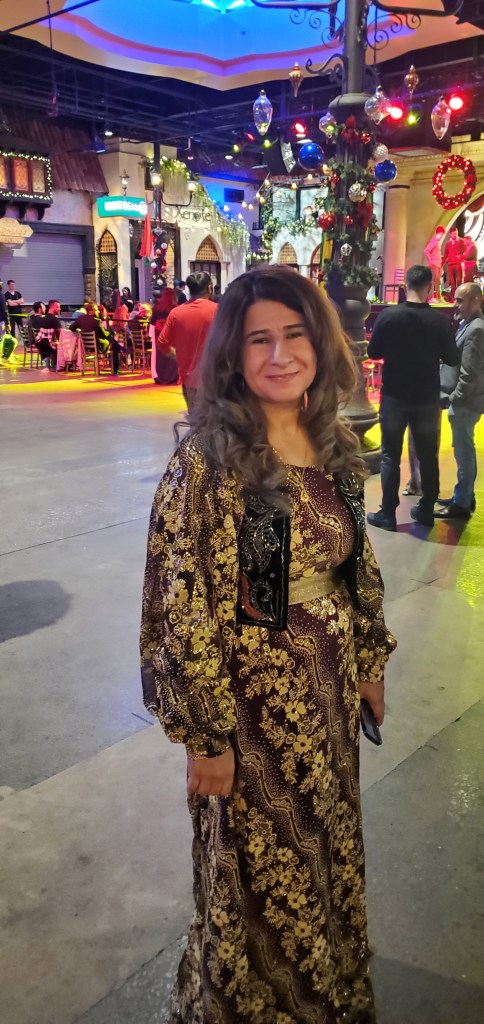
These attitudes of patriotism and a desire for unity weren’t just attitudes that the Kurds decided to latch on to the event, either. I saw this clearly when interviewing Seyda Perinçek himself. From telling stories about his life and work, he showed an overflowing passion to convey what the crowd felt about their nation and a hope that it would carry on into the future.
Interview with Seyda Perinçek
“When I was growing up, my father died fighting the Turkish state. He dedicated himself to fighting for the Kurds in the war. The Turkish government oppresses our land and continues killing us.” He continued, “We as a people are against violence and the death of innocents. We only fight because Turkey slaughters us for our identity as Kurds. Reporters, children, women… Even if you don’t have a gun, they’ll still kill you! It’s even happened to some of my friends who were artists before the government killed them. It’s a terrible thing. You see people killing each other for different reasons, and I don’t accept this. I desire peace!”
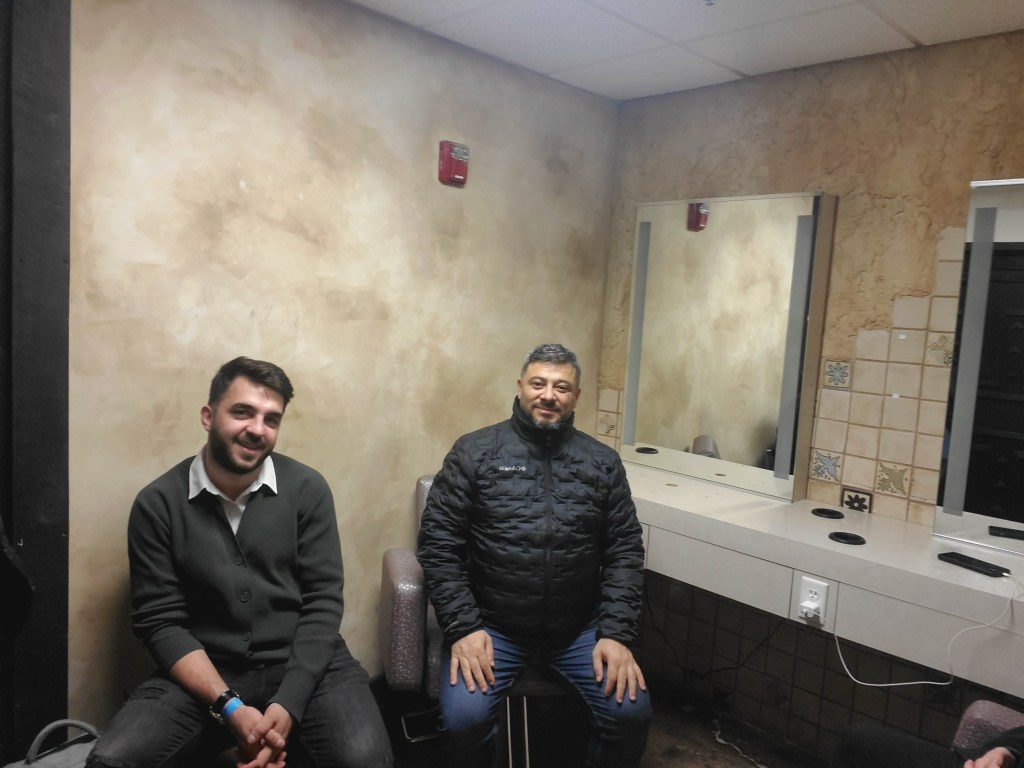
In Seyda’s childhood, the Turkish government forbade the Kurdish language from being spoken and even from Kurds identifying as Kurds. From 1984-1999, the Kurdistan Worker’s Party (PKK) waged guerilla warfare against Turkey to combat this. During this time, Turkey used military force to empty several villages in Kurdistan to prevent the PKK from gaining more support from the villagers. Thousands of civilians died from the fighting. Seyda honed in on his passion for music and his homeland in this background of cultural tension.
“I grew up in Northern Kurdistan, in the city of Merdin. I had many poets and intellectuals in my family during my childhood. I learned how to play music from my family as I got older, and once I was old enough, I began to study music in Ankara. However, after my third year, my studies stopped, and I began playing music in Kurdistan. I had a band and gave music lessons in the region. Eventually, though, due to limitations imposed on our culture by Turkey, I moved to Germany and continued playing music there.”
Seyda emphasized how the internet has made making his music known much easier than it would have been when growing up. “I have viewers and listeners from Bashur, Bakur, and even Europe because of my videos on YouTube. My videos usually have around 25 to 30 million. I’ll also share my music on other social media as well. This ease of access is essential because my language is illegal in Turkey. People from all four parts of Kurdistan can hear my music online. We, as Kurds, are very happy about how easy it is to listen to music in our language online!”
You’ve often written about Kurdish martyrs in your songs, like in “Ez Gerilla Me,” for instance. Do any of these stories stick out to you the most?
“Well, I don’t just write about politics; I write many songs about my desires and hopes. However, stories of martyrs are vital to me because they are my very being. They’re an essential part of our culture. If there are no martyrs, there is no resistance. If their stories fade, there won’t be freedom for the Kurds. Martyrs help carry on the memory of Kurdistan. When the world sees us and identifies us as a nation, our martyrs will be proof of our nationhood. I carry on their memory for Kurdistan’s survival!”
So, you acknowledge all of their stories as equally important, then?
“What was your question? I didn’t understand…”
Meaning, when I asked which of the stories stuck out to you, you emphasized a lot, not on individual stories, but how they carry out ideals of Kurdish nationhood. You also mentioned writing songs about other topics important to you. Did I hear this correctly?
“Philosophy, Kurdishness, Internationalism, my pain and desires… I write about all of these! They’re all critical to me when writing my music.”
Many Kurdish artists were before you, like Şivan Perwer and Ciwan Haco. Who was your most significant influence when learning to play music growing up?
“Şivan Perwer was very significant in my childhood. He inspired Kurdishness when we were struggling and couldn’t find hope in our suffering, myself included. Other Kurdish artists impacted me similarly, like Comert and Xelil Xemgin. We also had many dengbej(poets) like Şakiro who were influential to us. All of our artists were important to us. They helped us enter into the fray of artists.”
What did you learn from them that influenced your music?
“I learned about my Kurdish identity from them! They helped me understand who I am. I learned about my history from them. I saw the truth! I recognized the need for freedom as a Kurd and carried this message of Kurdish identity into my music.”
Many Kurdish artists have used characteristics of Western music in their songs, like Ciwan Haco, who used the saxophone in some of his songs. What influences from other cultures have you used in your songs?
“Right now, with my work, I’m focusing a lot on attacks with chemical weapons. We, as Kurds, have undergone many chemical attacks, like the Halabja massacre, and even still experience it today from our enemies, like in Cizire and Syria. Many of our children have died in these attacks. So I’m organizing a symphonic orchestra. We’ll be composing music about chemical attacks.”
It seems like you’re placing a big emphasis on Halabja or chemical attacks generally, right? What do you want people to see from these orchestral pieces?
“Not just Halabja, but attacks like Hiroshima and others in the world. Anywhere in the world where innocents die because of war creates a pain in my heart. I want everyone in the world, their governments, their artists, their communities, to know how chemical attacks are a filthy thing. As an artist, I am against this. No good comes from it! Children die from these conflicts, and it crushes our humanity. I want to raise academic attention around this issue. I want the whole world to hear about it! I want everyone to live free.
“What beautiful people are in the world! White, black, Kurd, Arab, what does it matter? We all need to stand with each other!”
Then, is this project not only for Kurds but also others around the world?
“Yes, for all countries around the world! American, English, Japanese, I don’t distinguish between them. War and bloodshed are not good things for me. As an artist, my heart will not accept this!”
Regarding Kurdish identity, there are many political groups among the Kurds, such as the PKK, the Kurdistan Regional Government (KRG), the YPG, and so on. Additionally, some Kurds identify with their faith or their tribe to the point where they don’t acknowledge their Kurdish identity. Regarding Kurdish culture, what do you want your listeners to see from your music and this concert?
“This is a big problem among the Kurds. Many say they are Kurds but don’t care about it. On top of that, there are issues with identifying more with a party or a political ideology than being Kurds, but we need to be united! What is the PKK or the KDP (Kurdistan Democratic Party, governing body of the KRG)? We need to be one! Let there be brotherhood among us! Many Kurds want to differentiate between each other, but let us be one! I want unity to flourish! Let it be so!”
Addendum
Overall, my interview with Seyda Perinçek and my time at the concert impressed in me an overwhelming amount of humanity. Seyda’s passion for the rights of the Kurds and others shone a light of hope for a better future that bled into his music. Dancing hand-in-hand with the crowd amidst the Kurdish flags made me feel not just like a concert attendee but a member of a community that stood together against all odds. I didn’t just sympathize with their cause but identified with it. It was an event where the fun they had wasn’t just in the concert itself but in recognizing their need for each other and what their community needed as Kurds. Sure, you might say that people can have similar forms of community at concerts in Western countries.
How many of them cause you to wrestle with the struggles of a people group’s rights or connect to more profound, collective memories of trauma from oppression, only to move you to hope to fight for a better future?
Even if you don’t know Kurdish or aren’t familiar with Kurdish culture in general, I highly recommend you go to another concert like this when you can. Try to also listen to Kurdish artists like Seyda Perinçek, too! These experiences provide a window into a world begging for acknowledgment in the name of its survival, weaving history and emotion together to tell its story. Much like Seyda said earlier, we all need to stand together. We need to hear from cultures like the Kurds, who are still struggling to gain acknowledgment and autonomy so that their memories live on. Neglecting this can be a danger to them, and this small act of listening can help alleviate it.
Sources
About Us: Preserving and Interpreting Country Music History. Country Music Hall of Fame and Museum. (2023, August 24). https://www.countrymusichalloffame.org/about
Adams, L. (2023, January 23). Nashville has nation’s largest Kurdish community. here’s how it commemorated it Saturday. The Tennessean. https://www.tennessean.com/story/news/local/2023/01/21/kurdish-community-nashville-historical-marker/69828776007/
David. (2022, June 13). Saz: The Turkish Musical Instrument You Need to Know about. Ethnica Instruments. https://ethnicainstruments.com/saz-the-turkish-musical-instrument-you-need-to-know-about/
Gratien, C. (2017, July 10). The Kurdish music industry: History and politics. Jadaliyya. https://www.jadaliyya.com/Details/29243
GUNTER, M. M. (2004). The Kurdish Question in Perspective. World Affairs, 166(4), 197–205. http://www.jstor.org/stable/20672696
Palmer, A., & Holtz, M. (2023, July 13). Examining extremism: Kurdistan Workers’ Party (PKK): Examining extremism. CSIS. https://www.csis.org/blogs/examining-extremism/examining-extremism-kurdistan-workers-party-pkk
Redazione. (2019, November 8). Daf – Persian musical instrument: Iran – traditional Iranian music. Iran Cultura. https://en.irancultura.it/art/music/2-musical-instruments/daf/
Romero, A. (2019, May 6). Artist profiles: Sivan Perwer: World music central. World Music Central | Your Connection to traditional and contemporary World Music, including folk, roots, global music, ethno and crosscultural fusions. https://worldmusiccentral.org/2019/05/06/artist-profiles-sivan-perwer/
Smith, M. M. (2015, June 24). What made Nashville into Music City?. National Museum of American History. https://americanhistory.si.edu/explore/stories/what-made-nashville-music-city
Thomas, C., & Zanotti, J. (2019, December 5). Turkey, the PKK, and U.S. involvement: A Chronology – CRS Reports. Congressional Research Service. https://crsreports.congress.gov/product/pdf/if/if11380Tolsen. (2023, August 23). Billboard artist 100. Billboard. https://www.billboard.com/charts/artist-100/
 Dengê Çiyayên: Voice of the Mountains
Leave a comment