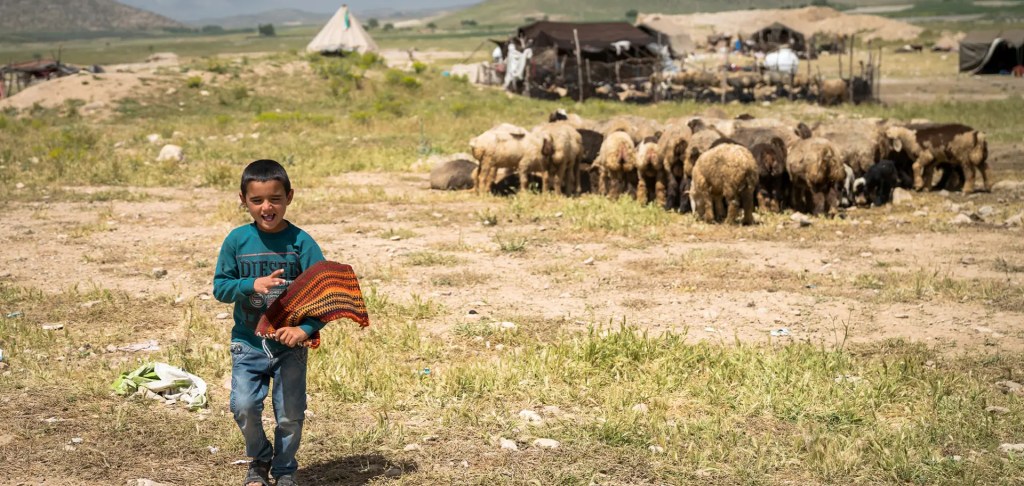
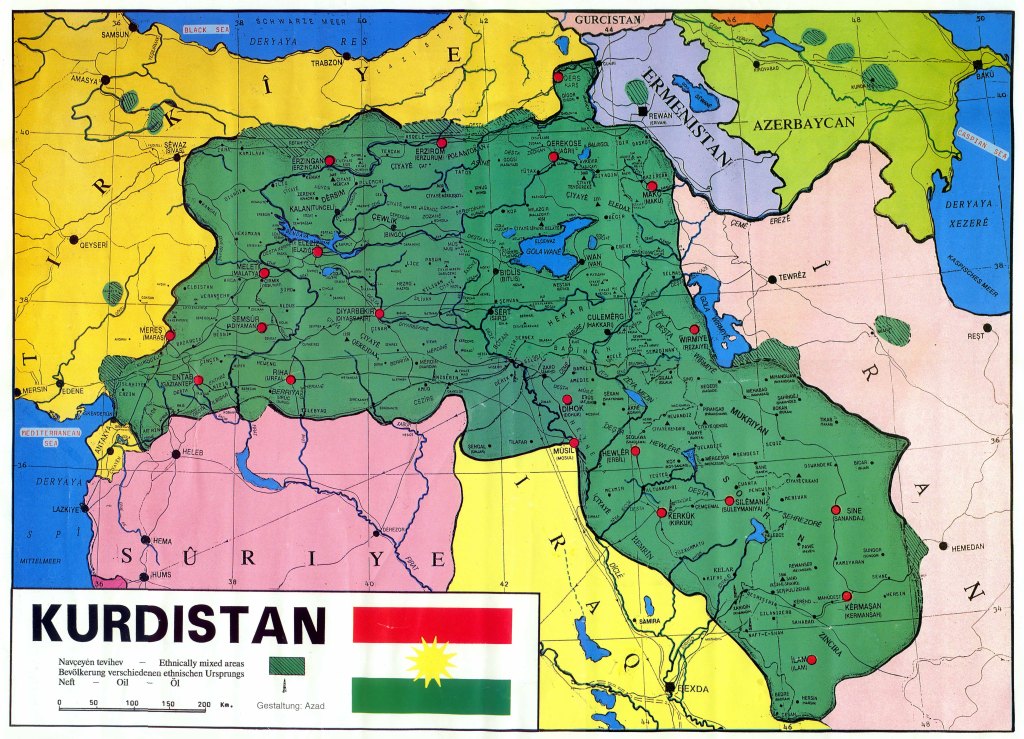
The Kurds are a people group indigenous to the Middle East. Their homeland, Kurdistan, is split between four countries: Northern Kurdistan (Bakur) in Southeastern Turkey, Southern Kurdistan (Bashur) in Northern Iraq, Western Kurdistan (Rojava) in Northern Syria, and Eastern Kurdistan (Rojhelat) in Northwestern Iran. Their language is Kurdish, with the dialects within it falling into groups of Northern and Central Kurdish. They are the largest people group without a country of their own, with their land being split up by the Lausanne Treaty to please the powers of the region after World War I, despite grievances from the Kurds for a country of their own. This by itself is enough to raise attention to the Kurds.
Despite this, however, beyond simply being deprived of any right of autonomy, they have actually contributed much to world history, both in the past and in the present. For instance, Saladin was a Kurd who led the Islamic Empire against the Crusades, while also allowing rights to religious expression for the Jews and Christians in Jerusalem. The Kurds have also served as the forefront of the forces against the Islamic State, with the Kurdish forces from Rojava and Bashur both fighting against the Islamic State against all odds. Even the slogan of the recent women’s protests in Iran (Woman, Life, Freedom) was actually introduced by the revolution of the Kurds in Rojava, one of their biggest focuses being on standing for the rights of women across the world.
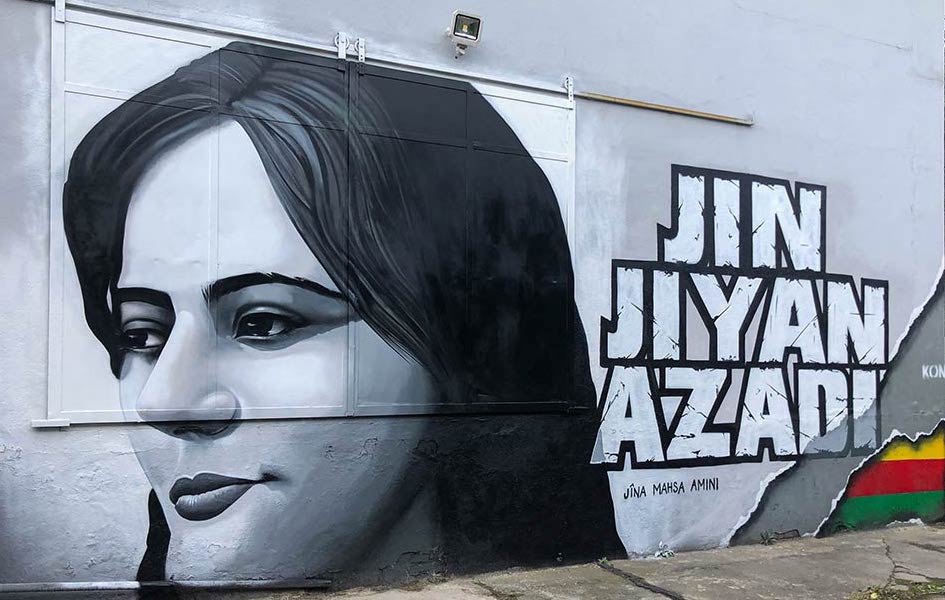
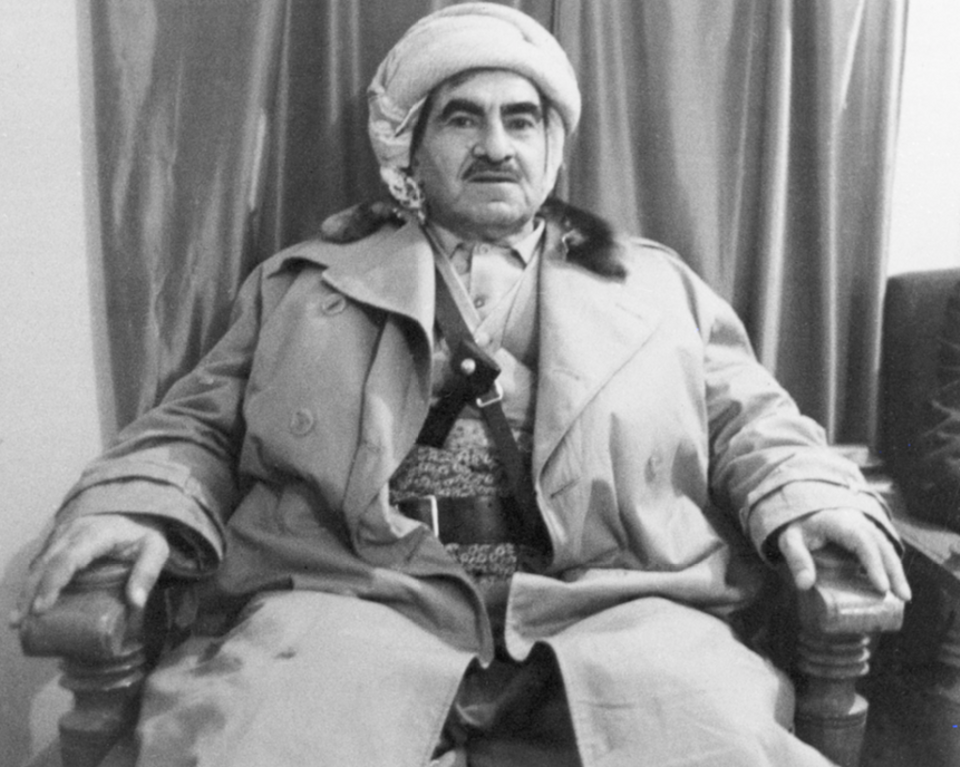
It is not only their strength, but also their hearts that enchant those who come in contact with the Kurds. They are known for their heart-warming hospitality, always prepared for even last minute guests, and also putting aside whatever was planned that day to accommodate for them. In a Kurdish household, no matter who the guest is, that person is a companion they are loyal to and will accommodate everything for. This mentality extends to all areas of their lives, especially their leaders. Mustafa Barzani, the former leader of the Peshmerga fighting against the Iraqi government, would often say to his men when pointing to his clothes, “Worry not! I will sell this for you!” He would even visit them if they were sick in medical care several times. A people kind and strong, though small in the eyes of others!
All of this history and aspects of Kurdish culture, their accomplishments and customs, are in danger of being lost due to cultural oppression from the governments they are subjected to. In Turkey, the Kurdish language is banned, with speaking the language met with arrests and brutal suppression. The situation is also similar in Iran, despite the fact that the Kurds are allowed to speak their language. This is due to Farsi being the primary language of the schools in Iran. This also comes alongside Iran meeting any protests from the Kurds with arrests. The end result of these measures is the erasure of an entire culture dominated by competing interests in the region, to the point where many of the Kurds living within those countries do not know their own history, even their own language completely. The lack of coverage in daily media among countries across the world, such as in news or social media, also raises the risk of a complete cultural genocide. This risk creates a need for sharing information about the Kurds with people throughout the world, not just for people outside of Kurdish culture, but for the Kurds themselves to know their own history.
Sources
Afary, J., Anderson, K. B., Tax, M., Barnett, A., & Wasserstrom, J. (2022, December 5). Woman, life, freedom: The origins of the uprising in Iran. Dissent Magazine. https://www.dissentmagazine.org/online_articles/women-life-freedom-iran-uprising-origins/
BBC. (2019, October 15). Who are the Kurds?. BBC News. https://www.bbc.com/news/world-middle-east-29702440
Davenport, J. (2003). Victory and Beyond. In Saladin (Ser. Ancient World Leaders, pp. 59–63). essay, Chelsea House Publishers. Retrieved September 14, 2023, from https://archive.org/details/saladin00dave/mode/2up.
Hafezi, P., & Butler, D. (2022, October 17). Putting Kurds in spotlight, Iran’s leaders try to deflect national protest. Reuters. https://www.reuters.com/world/middle-east/putting-kurds-spotlight-irans-leaders-try-deflect-national-protest-2022-10-17/
Hamid, R. (2019, July 8). How Iran’s new education proposal silences and criminalizes Non-Persian languages. The Washington Institute. https://www.washingtoninstitute.org/policy-analysis/how-irans-new-education-proposal-silences-and-criminalizes-non-persian-languages
Media Cause. (2016, August 2). Learn about Kurdish language. The Kurdish Project. https://thekurdishproject.org/history-and-culture/kurdish-culture/kurdish-language/
Mithat Sancar, co-chair of T. pro-K. P. D. P., Rosie SCAMMELL | AFP | Sep 15, 2023, Agence France-Presse | AFP | Sep 14, 2023, & Abdullah Doma | AFP | Sep 14, 2023. (2021, November 9). Turkey’s Kurds revive fight for language rights. Al. https://www.al-monitor.com/originals/2021/11/turkeys-kurds-revive-fight-language-rights
Nashville Public Television. (n.d.). Kurdish Hospitality | NPT. Next Door Neighbors. Retrieved September 15, 2023, from https://ndn.wnpt.org/documentaries/little-kurdistan-usa/kurdish-hospitality/.
YouTube. (2018). Last surviving member of Mustafa Barzani’s fighters recounts Kurdish struggle. YouTube. Retrieved September 15, 2023, from https://www.youtube.com/watch?v=Fhp8X-6T2eY.Zanotti, J., Humud, C. E., Blanchard, C. M., & Margesson, R. (2016). Kurds in Iraq and Syria: U.S. Partners Against the Islamic State.
 Dengê Çiyayên: Voice of the Mountains